
I thought working with people was all about matching competency and completing deliverables on time. I was wrong. It’s more than just technical skills.
I enjoyed working independently until I realised I was limiting my potential for co-creation. I thought I had good teamwork skills until one day, my colleague broke down and said to me, “I am not as smart as you. I am not as fast as you. Can you please stop rushing me?” My mind went blank because I was just making sure we could deliver the report based on the agreed due date with clients. Did I do anything wrong?
My CEO once said that it is difficult to work with smart people because oftentimes they have an attitude problem. “It is easy to teach technical skills, but I can’t teach attitude. You can’t change a person unless they want to change. “I forgot that we are human, and humans are not perfect. I am not perfect either, so why am I expecting others to be perfect?
I started questioning myself: Am I difficult to work with? I traced back time and reached out to my university course mates. I asked them, “How did you all feel when working with me on group assignments back then?” They said, “You were scary, you were very strict, but we were grateful to have you on the team because without you, I probably wouldn’t have been able to graduate.” That was the first time I heard about this side of me. I led the team with the goal of completing the work—and perhaps perfecting the work according to my definition—without listening to or taking into account how others felt. I was a dictator. It was a double-edged sword.
I started to think: How can I work better with others? Empathy. I needed to learn to practice empathy. Empathy is not just a soft skill; it is a lubricant that changes how teams solve problems and handle friction.
Instead of questioning why they were so difficult to work with, I started questioning what their thought process was. To understand why they behaved this way and why they thought so. The objective was not to agree with everyone or avoid conflict; it was to understand their perspectives, meet in the middle, and make a decision collectively.
Instead of blaming them for why they couldn’t meet my expectations, I started changing the intention of my conversations with them to: I want to help the team and deliver quality results to clients, as a team. I can run fast alone, but we can run far together.
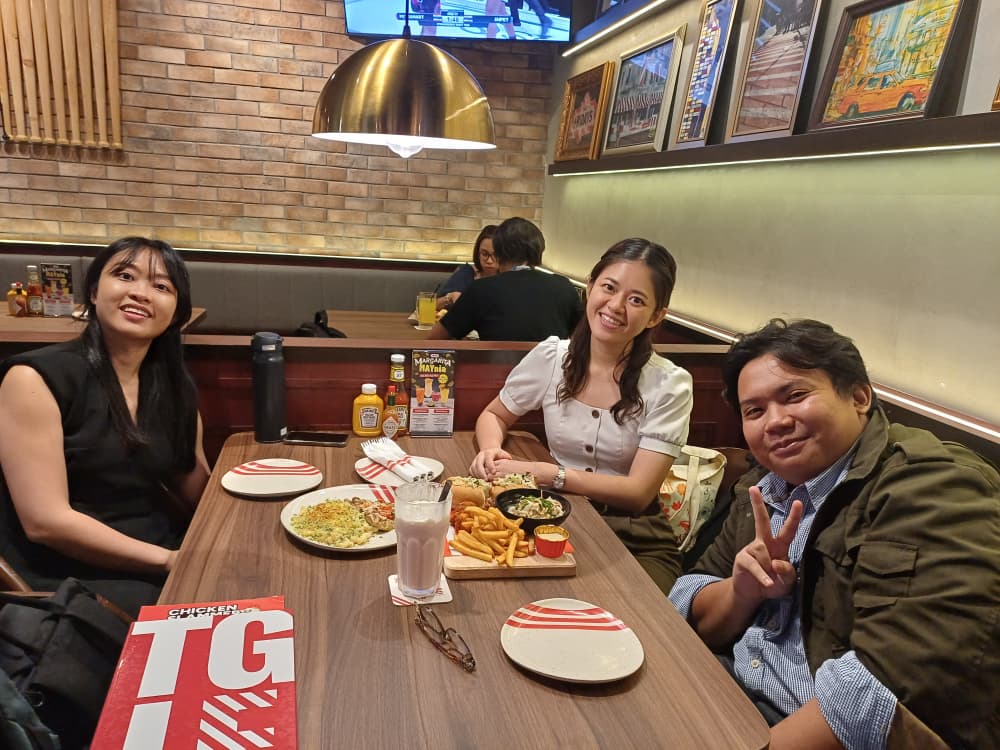
I am grateful to have friends and colleagues with whom I can be open and direct to have difficult conversations. Not many people can face conflict or even confront someone face-to-face. I realised that it is as rare as finding kway teow th’ng in Kuala Lumpur (kway teow th’ng is not gai see hor fun!).
Working with people has made me realise I was trained to be a robot at school, and now I am unlearning that and relearning how to be a human. Everyone is unique, and practicing empathy is the first step to unity.
If you enjoyed the read, follow me on LinkedIn and stay tuned for Working with People #2.
May all beings be happy.
Love,
Jia Xin





Leave A Comment